

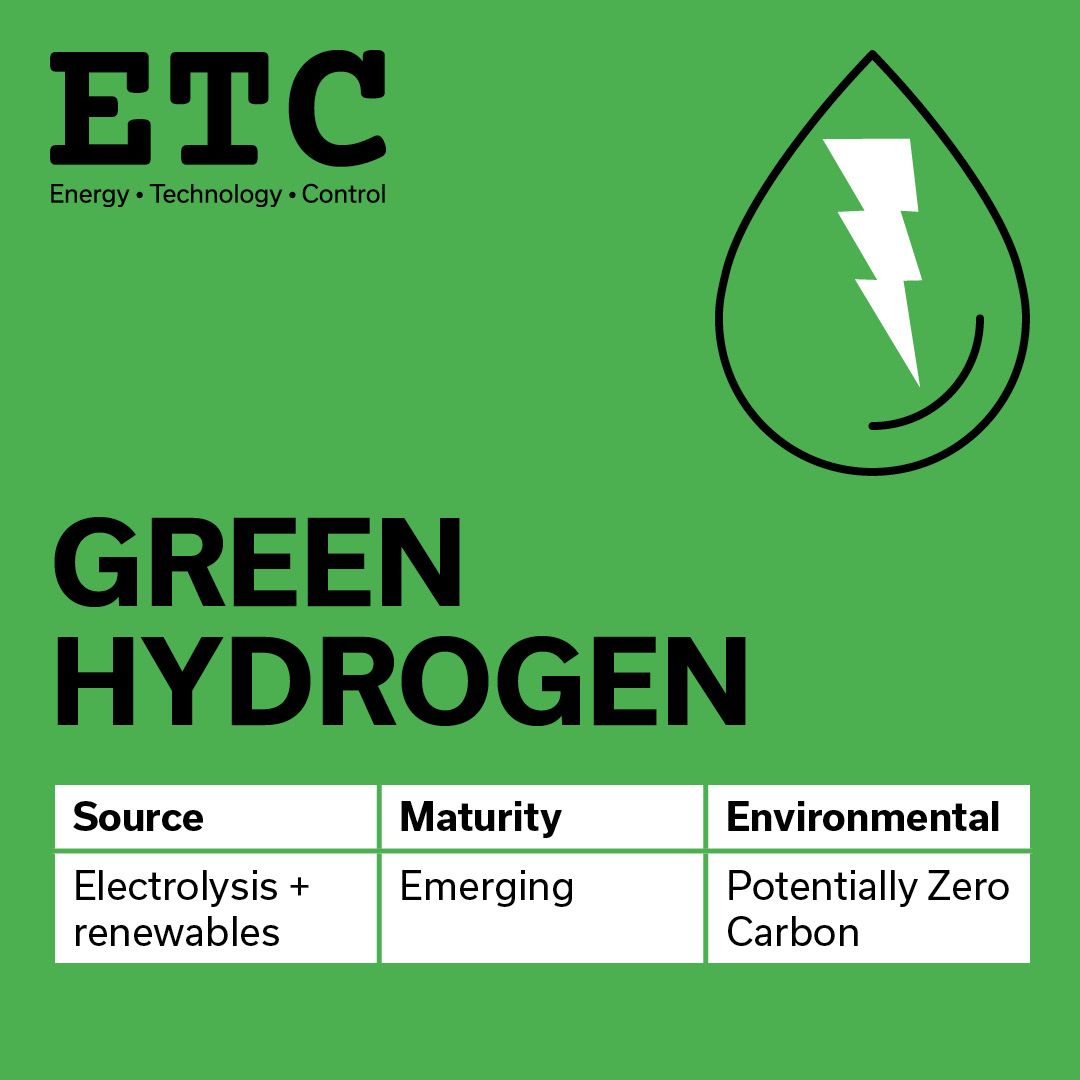
The energy landscape is evolving at an unprecedented pace. NEOM’s green hydrogen facility in Saudi Arabia, now 80% complete, is poised to produce 600 tonnes of carbon-free hydrogen per day, powered by 4 GW of integrated solar and wind energy.
Hydrogen: A Cornerstone of Clean Industrial Energy
Hydrogen offers a pathway to decarbonisation for industries traditionally reliant on fossil fuels. Its potential to deliver high energy density, flexible applications, and zero-carbon output makes it a critical component of future industrial energy strategies. Large-scale facilities like NEOM demonstrate that, with careful planning and integration, hydrogen can be produced reliably and safely at a scale capable of meeting global industrial demand.
The Importance of Advanced Control and Energy Management
Producing hydrogen efficiently requires more than renewable energy inputs; it demands precision control, process optimisation, and robust operational oversight. Integrated control systems ensure electrolysers, storage units, and renewable generation operate seamlessly together, maximising efficiency and minimising downtime. This type of industrial control capability is essential for scaling hydrogen production while maintaining safety and reliability.
Sub Heading
Sub Heading
Sub Heading
Sub Heading
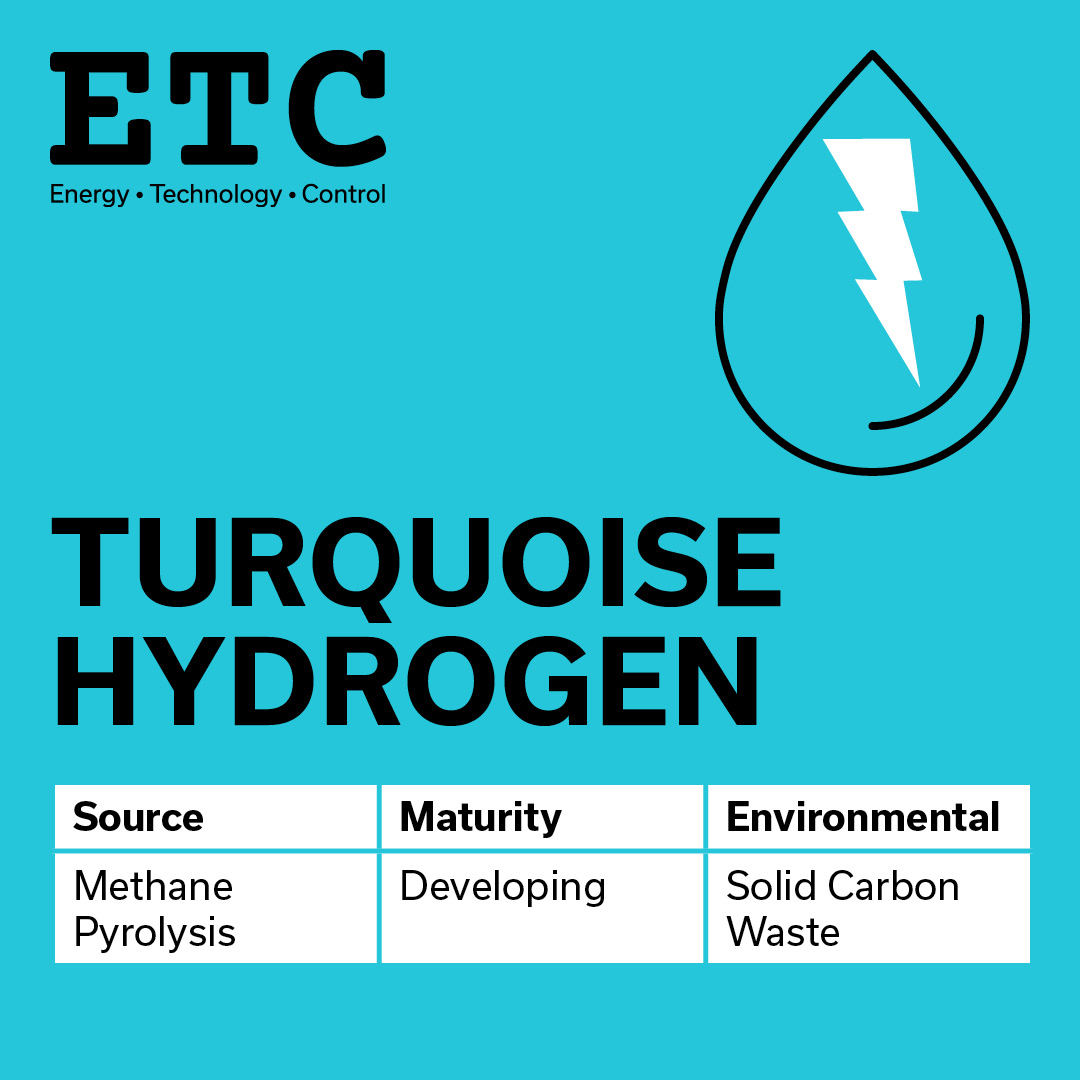
Sub Heading
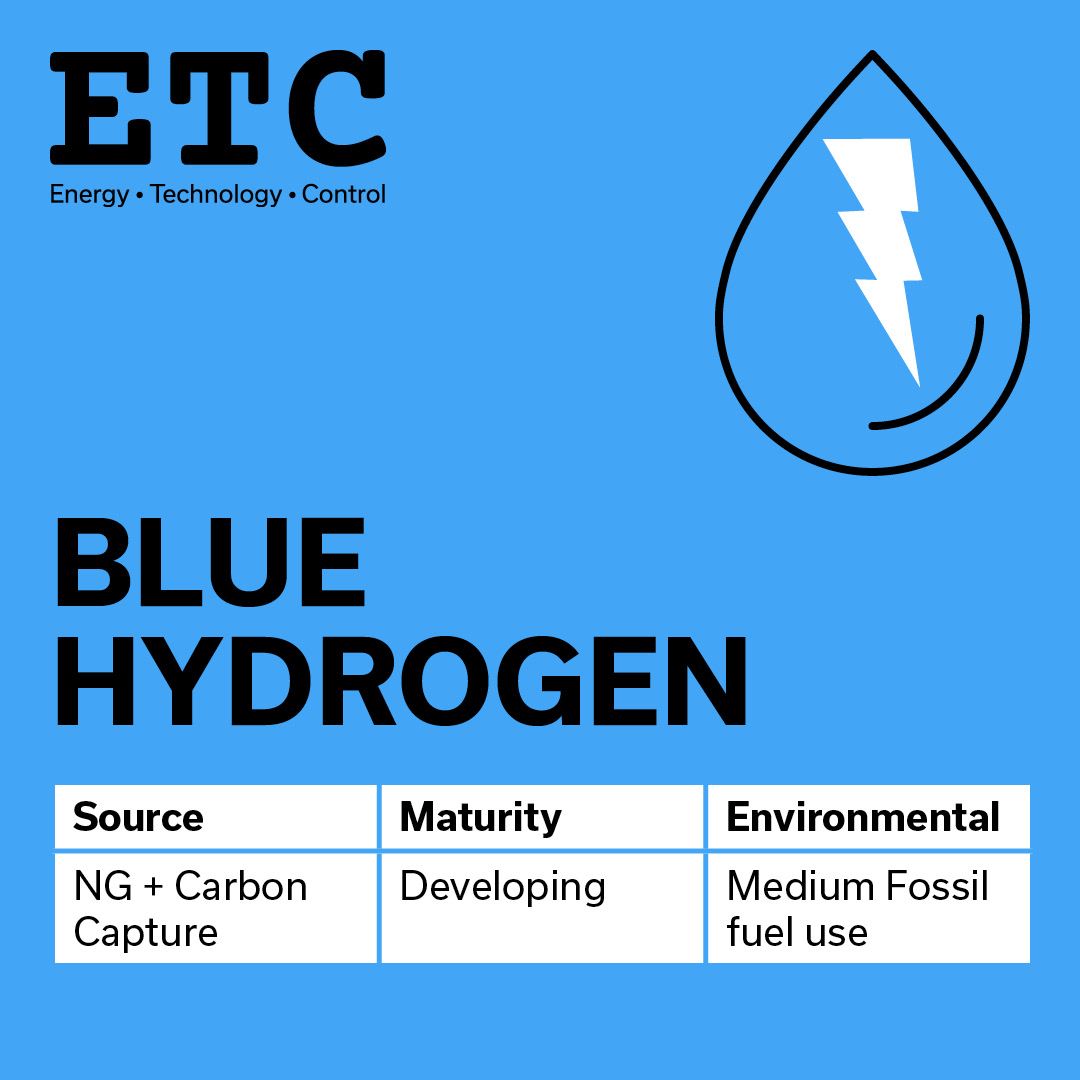
Sub Heading
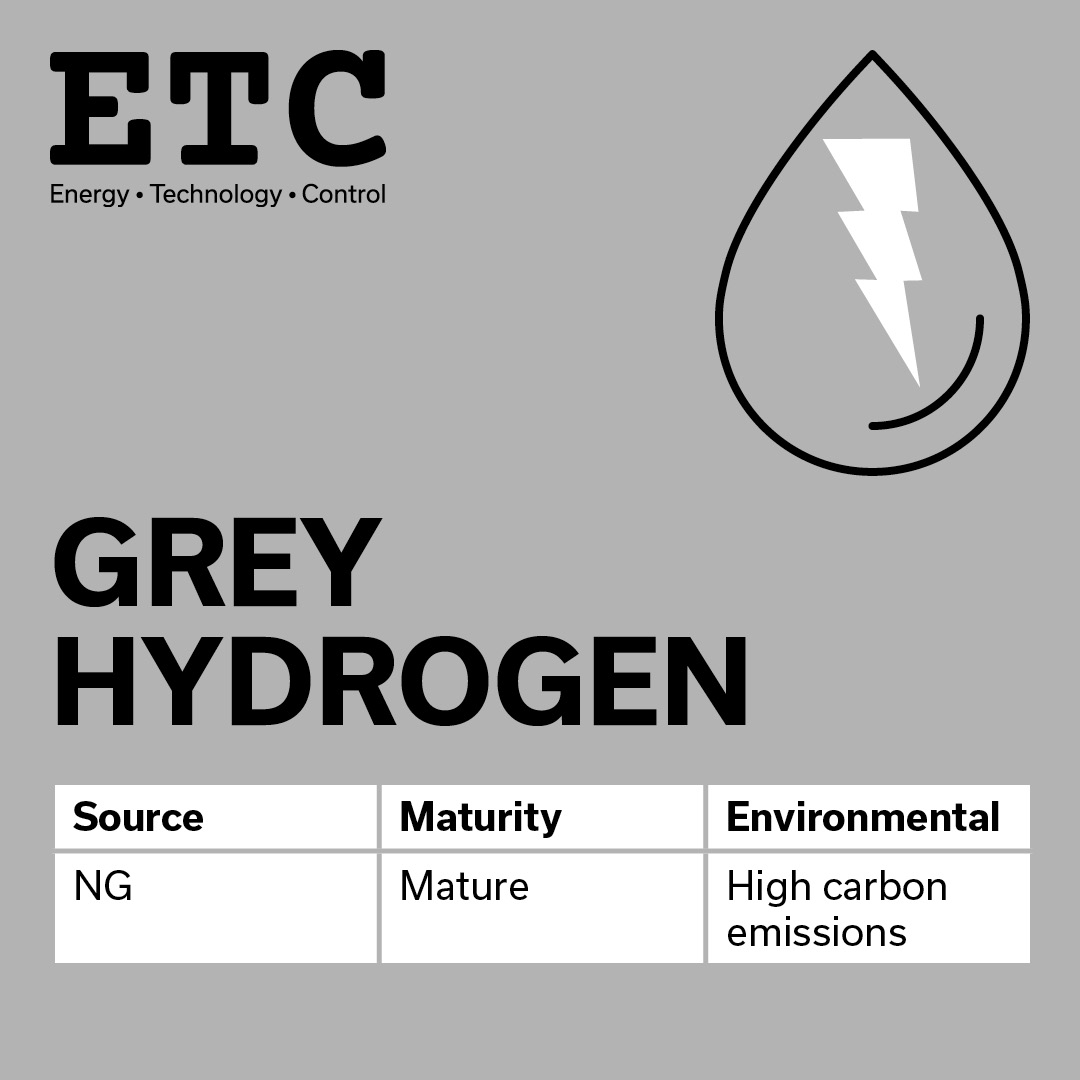
Sub Heading
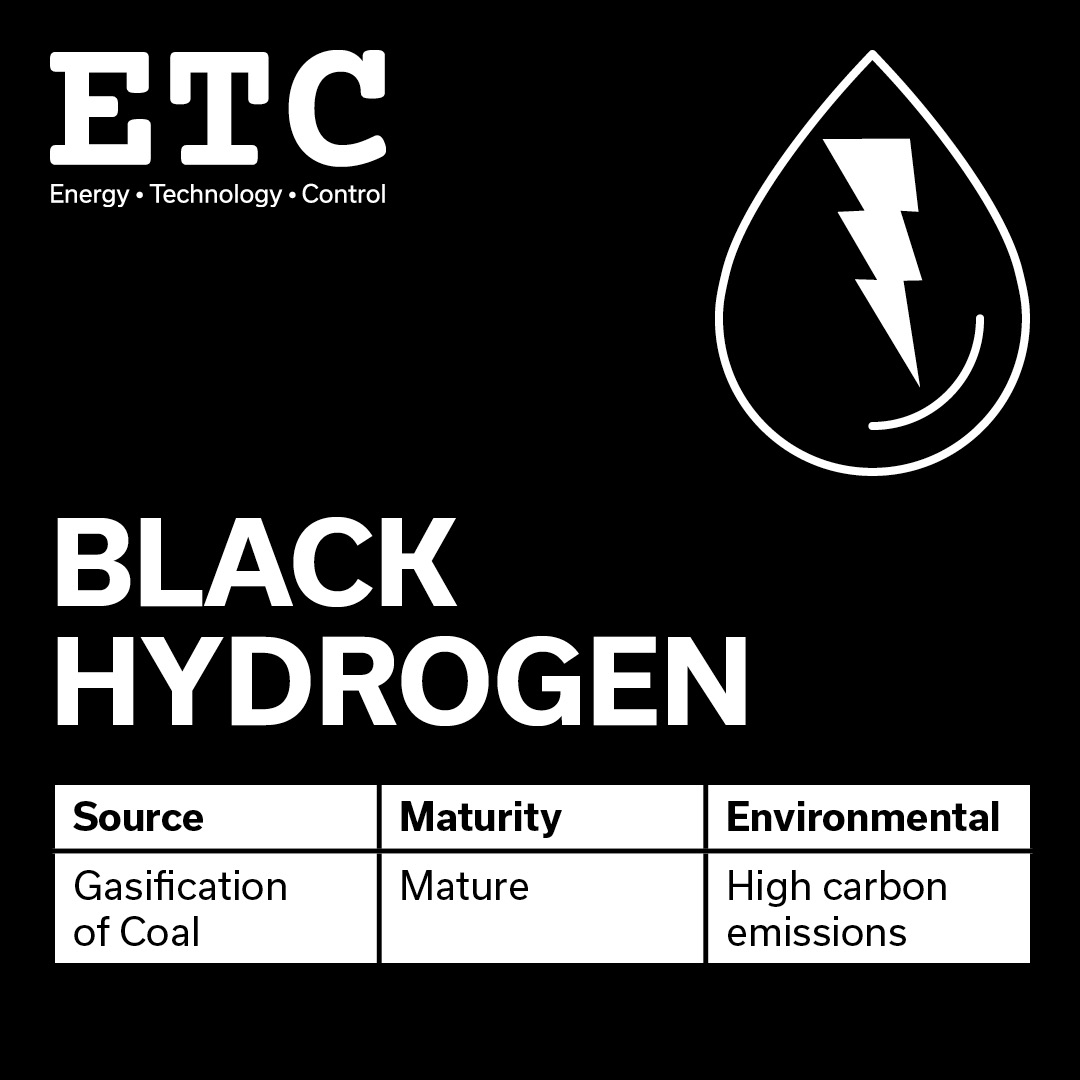
Sub Heading
Learning from NEOM: Integrating Renewables and Industrial Processes
NEOM’s combination of wind, solar, and hydrogen infrastructure demonstrates the critical role of integrated systems in the clean energy transition. By coordinating renewable generation with hydrogen production and ammonia synthesis, the project sets a new benchmark for operational efficiency. Industries can draw valuable lessons from this model: effective monitoring, predictive maintenance, and intelligent control are as crucial as the energy source itself.
Preparing Industrial Energy Infrastructure for the Hydrogen Era
Transitioning to hydrogen is more than adopting a new fuel—it requires rethinking energy systems. Companies must evaluate how to integrate clean fuel production, manage variable renewable energy inputs, and optimise overall process efficiency. Doing so ensures operations are not only sustainable but also resilient and cost-effective in a rapidly decarbonising market.
Conclusion
The hydrogen era is no longer a distant prospect—it is unfolding now. Projects like NEOM showcase what is achievable when technology, scale, and ambition converge. For industries worldwide, preparing for hydrogen and other clean fuels will require investment in advanced control, process optimisation, and integrated energy management. By learning from these pioneering examples, industrial operators can position themselves at the forefront of the energy transition.
Is your industrial energy infrastructure ready for the hydrogen era? Now is the time to explore how advanced control and optimisation can support a sustainable, efficient, and future-proof energy strategy.